6:45 on a Tuesday. The coffee isn’t ready, my bag is still on the counter, and I am standing in front of my closet doing the thing I hate most: deciding. The one outfit that always saves me is the same one, over and over. A suit. No thinking, no mismatching, no ‘does this top even go with anything in here.’ If your mornings are anything like mine, you already know this trick works.
So this week I want to talk about the specific suit that lives in my closet and never disappoints: J.Crew’s four-season stretch suit. It’s not the interview suit, and that’s the point. Interview suits should be as classic and basic as you get. This one is the slightly different kind — still professional, but actually fashionable, the sort you’d wear to a meeting on Monday and to drinks with friends on Thursday without a wardrobe change.
Why this suit is my default
First, the fabric. Four-season stretch means it moves when I do. I sit in a lot of chairs — office chair, subway seat, restaurant booth — and a suit that fights my knees by 11 a.m. is a suit that never gets worn. This one drapes, it stretches, it survives a full day and still looks like it did in the mirror. And yes, I love a good pintuck detail on a pant. The tailoring does the work, so everything else can stay comfortable.
Second, it’s coming back to longer pant lengths after a few years of cropped cuts, and I am genuinely happy about that. If you’re not 5’9″, a full-length leg in a suit changes how the whole outfit reads. It just looks longer and more put-together, no heels required.
What you can get it in
The suit comes in six colors, and it’s available in classic, petite, and tall sizes — which matters more than most brands make it sound. Select colors are on sale right now, so it’s worth checking before the sizes you want in your color of choice sell through. You can find it here: the J.Crew four-season stretch suit.
Sales snapshot (from this week’s round)
A weekly feature like this one doubles as a little deal check, so here’s what was live the week this was written. Flagging it honestly: some of these — the 8/21-only ones especially — have probably lapsed by the time you read this, so treat it as a map of what to re-check rather than a promise.
Ann Taylor had 25% off fresh fall styles, plus an online-only warehouse sale with $20 tops, $25 sweaters, $30 pants, and $40 dresses. CVS was running a beauty sale, $10 off when you spend $30. The Fold was up to 50% off with further markdowns. J.Crew itself had last-chance summer styles on sale, and J.Crew Factory ran 50% off pants and shorts for a day, with free shipping on all orders. J.McLaughlin offered an extra 40% off sale, Lilysilk an anniversary sale to save up to 70%, and Me & Em was up to 60% off with new lines added online only.
M.M.LaFleur kept adding new pieces to its sale — the source post’s readers could try code CORPORETTE15 for 15% off other items, and that code comes from the original post’s relationship with the brand, not a deal I arranged. Nordstrom Rack had clearance with new markdowns up to 75% off, including a nice selection of Vince, Veronica Beard, Reiss, and Rag & Bone, plus a ton of affordable work dresses from Calvin Klein, Maggy London, Eliza J, and Donna Morgan. Revolve had 20% off most beauty, and Talbots was doing an end-of-season clearance with an extra 70% off markdown tops and extra 60% off other markdowns. Theory’s end-of-season sale was on too.
How I actually wear it
The whole point of a capsule-friendly suit is that it shouldn’t only be an office thing. I wear it with sneakers and a plain tee for errands, with a silkier top and pointed flats for date night, and as a blazer-and-pants split with whatever’s in rotation underneath. One piece, three outfits, zero mornings lost to the closet. That’s the math that keeps it on my repeat-buy list.
For most workplaces, absolutely. The tailoring reads as the structure, not the stiffness — the stretch just means you can actually sit down. If your office leans formal, pick one of the deeper colors and keep the layers minimal, and it’ll pass anywhere.
Probably some, not all. This list is a snapshot from the week it was written, and the day-limited deals (like J.Crew Factory’s 50% off pants and shorts) are the first to go. Re-check each store directly before you assume a price is still standing.
Yes — classic, petite, and tall sizes, in six colors. That’s one of the reasons it made the cut: the fit options are actually there instead of an afterthought.
And if you’re rebuilding the work side of your closet, I just refreshed the big roundup of the best women’s suits of 2026 — worth a read before you buy anything. If you want the suit to do even more work for you, see my best women’s suits of 2026 roundup and my capsule wardrobe guide.
A note from Ava: The best purchase I’ve made this year isn’t the prettiest thing in my closet — it’s the one I reach for without thinking. That’s the bar everything else has to clear.
I keep a small confession tucked away: I’ve sold exactly one house in my life. It was 1997, and it went the way a lot of first attempts do — sideways.
I started with a real estate agent. I moved to a second one. By the end I’d decided that underwhelming service was the one thing both contracts came with for free. So I let go of the second agent too, found the buyer myself, and hired an attorney for a flat $300 fee to handle the negotiations while the title company took care of the technical paperwork. No agent. No percentage commission. No celebratory fruit basket, but I survived.
Since that happened nearly three decades ago, it’s fair to ask whether I’d still sell a home without a traditional agent today. The honest answer is yes — well, probably. Here’s the thinking behind that, including the parts that have genuinely changed.
What I actually did (the part people miss)
Selling without an agent doesn’t mean you do everything yourself, and that distinction matters. I found the buyer, I dealt with the interested people directly, and I made the calls. But I paid qualified professionals for the work I wasn’t comfortable doing alone.
“For sale by owner” has this image that comes with it: a homeowner in the front yard with a cardboard sign, a ballpoint pen, and a contract downloaded from a website run by someone named Honest Eddie. That wasn’t my strategy. I removed the traditional agent, but not professional help. I just bought the services I needed separately, instead of paying for the whole package through a percentage of the sale price.
In plain terms: it was less about refusing help and more about refusing to pay for help that didn’t feel like it was pulling its weight. That’s still the heart of the issue today.
It’s easier to sell now — and harder to look decent while doing it
Homeowners have far more tools than I had in 1997. Back then the internet was still finding its voice. Most people didn’t carry tiny computers in their pockets, and online real estate searches barely existed. Social media was a rumor, digital signatures were exotic, and a “virtual tour” probably meant flipping through vacation photos in a living room.
Now you can research recent sales, study competing listings, advertise online, message buyers instantly, and hire photographers, stagers, appraisers, lawyers, and other specialists without one person arranging everything. That genuinely should make a private sale easier — and in a lot of ways it is.
But the tech raised buyer expectations too. In 1997, decent property photos meant keeping your thumb off the lens. Today buyers may expect professional photography, measured floor plans, polished descriptions, video tours, enough high-resolution images to document every closet shelf. Reaching buyers got easier; a poorly presented home just looks worse next to the professionally marketed ones beside it. The modern seller has more power, and more ways to make a mess.
The percentage problem never went away
My biggest objection to the traditional commission model has always been how little it has to do with the actual work. Picture two similar homes that need roughly the same marketing, communication, paperwork, and negotiation. One sells for $500,000. The other sells for $1 million. Under a percentage-based model, the fee on the second house can be dramatically higher, even if it didn’t take twice the effort to sell. A percentage sign is tiny. The check it produces is not.
This is why I look at real estate fees the same way I look at any big household expense: what am I getting, what is it worth, and is there a cheaper way to get the same result? I’ve also long suspected that high-end agents are among the most overpaid professional jobs I know. Subtle, I know — but it’s true of my own history here.
Does that mean every agent is overpaid? No. Someone who builds a real pricing strategy, runs excellent marketing, finds qualified buyers, steers a hard negotiation, and keeps a complicated transaction from falling apart is delivering substantial value. The seller just has to be able to point at where that value actually is. Typing a property into a listing system and waiting for another agent to show up with a buyer may not justify a large fee — especially when the homeowner is already doing a lot of the prep, the cleaning, and the decision-making.
One note on timing: commission arrangements have been in flux for a couple of years now, so whatever model applies to your sale today may look quite different from the one that existed when I sold in 1997. That’s worth checking before you assume the old rules still hold.
My 1997 sale isn’t a step-by-step manual
I sold in Southern California, under the practices and legal framework that applied there at the time. That experience should not be treated as a playbook for selling anywhere else today — real estate is regulated by province and state, and forms, disclosure practices, terminology, listing access, and the role of lawyers all differ by location. Commission arrangements vary too, by province, brokerage, service package, and individual agreement.
In places like Canada, a homeowner might look at a genuine private sale, a flat-fee listing arrangement, a limited-service package, fixed-fee representation, or the traditional full-service model. Those aren’t interchangeable, even when the ads make them sound identical. Paying a brokerage to put your home on MLS and REALTOR.ca doesn’t automatically mean you’re getting pricing advice, negotiation support, or full representation — it can be valuable exposure that leaves most of the actual work and responsibility with you.
Following my old California playbook word for word in a completely different market would be like using a Los Angeles road map to find a coffee shop in Quebec. You might eventually get somewhere. Not before annoying everyone else in the car first.
FSBO isn’t an all-or-nothing decision
The biggest misconception about selling without a traditional agent is that there are only two options: pay for full traditional representation, or do absolutely everything alone. That was never really true, in my case or anyone else’s. I hired an attorney because I wanted someone qualified to negotiate and protect my interests. I leaned on the title company for the technical work. I found the buyer and ran the sale — and I paid for expertise where I believed it mattered.
You can take the same approach today. A private seller might hire any mix of a professional photographer, an appraiser or pricing consultant, a home inspector, a real estate lawyer, a staging consultant, a flat-fee listing service, someone to review offers, an agent for negotiation or transaction support, or a full-service representative on a fixed or reduced fee. There’s no trophy for doing every single task yourself. Nobody hands you a merit badge for taking listing photos in bad lighting or drafting legal clauses after a six-minute video tutorial.
The goal isn’t to prove you can sell a house with zero assistance. It’s to control your costs while getting enough qualified help to close the transaction properly.
What hasn’t changed since 1997
Even with better tools and more service options, a private seller still has to solve the same base problems.
Pricing the home. This is where emotion gets expensive. Homeowners know every improvement they made, every repair they paid for, every Saturday they sacrificed to keep the lawn alive. Buyers don’t care. They compare your property against other available homes and recent sales. A seller who prices by personal memories instead of market evidence can spend months wondering why nobody appreciates the emotional significance of the imported kitchen faucet.
Preparing the property. You’re competing against homes represented by people who know staging, photography, listing descriptions, and buyer psychology. A sign in the yard and a prayer aren’t a marketing plan. The home has to be clean, easy to access, and presented in a way that helps buyers picture their own life in it.
Handling inquiries and showings. Some will be serious. Others will come from curious neighbors, recreational house-browsers, and people who open every negotiation by offering about the value of your garden shed. You have to answer questions, screen interest, arrange access, and follow up without losing your temper — or at least not visibly.
Negotiating with a clear head. Negotiating your own home is different from haggling over a TV or a used car. The numbers are bigger, the conditions matter, and your emotional attachment keeps reaching for the pen. Almost everything is negotiable, including the price and structure of the professional services you hire during a sale — that includes the buyer’s offer. The highest price isn’t always the best offer if it comes with weak financing, awkward conditions, or a closing date that becomes its own expensive problem.
Managing the paperwork and closing. Finding a willing buyer is only half the job. The agreement, disclosures, deposit, conditions, inspections, financing, and the closing itself all have to be handled correctly, and the exact process depends on your jurisdiction. That’s why I used an attorney in 1997, and why I’d bring in the right legal professional again. Saving money is good. Saving money by signing documents you don’t understand is quietly worse.
Who should consider it — and who probably shouldn’t
I’d seriously consider going the private-sale route again if: I had the time to manage the process, understood my local market, could get reliable pricing information, was comfortable talking directly to buyers, could stay objective in a negotiation, had access to solid legal help, was willing to pay separately for photography or listing exposure when needed, the property and ownership situation were reasonably straightforward, and the potential savings actually justified the effort and risk. And if I already had a likely buyer in mind, the decision gets easier still — I’d be paying a large percentage of the sale price mostly for marketing services I might not need.
I’d lean toward hiring real representation instead if: I had little time to manage inquiries and showings, the property was hard to price, the sale involved tenants, an estate, multiple owners, or unusual legal issues, I was buying another home at the same time, the market was moving fast, I expected multiple offers with meaningfully different conditions, I was uncomfortable negotiating, a failed transaction would have serious financial consequences, or the professional couldn’t clearly explain what was being provided and why it was worth the fee. There are excellent real estate professionals, and there are mediocre ones. The license doesn’t tell you which one is standing in front of you — so do the homework either way: interview a few, compare what each includes, ask who does each specific task, read the contract, and negotiate the compensation. The worst arrangement isn’t necessarily paying an agent. The worst is paying a large fee without knowing what you’re buying.
FAQ
Does “for sale by owner” mean I can’t hire any professionals? No. You can hire photographers, appraisers, lawyers, staging consultants, or a flat-fee listing service and still be a private seller. You’re just paying for pieces instead of a full percentage commission.
Is it smarter to sell without an agent now that technology has changed? Technology makes it easier to find and contact buyers, but it also raises expectations for how your listing looks. If you can match the presentation standard — photos, floor plans, clean and accessible showings — the extra tools work in your favor. If you can’t, a weak listing shows up worse next to the professional ones around it.
What’s the one mistake that most undoes a private sale? Pricing by memory instead of market evidence. Buyers compare your home to the other listings and recent sales in your area. Emotion about the houses you’ve lived in is not something they can see — or pay for.
A note from Ava
My 1997 take on this hasn’t changed so much as it’s matured. If you have the time, temperament, and ability to manage a sale, don’t assume a traditional percentage commission is your only responsible option. But doing it yourself doesn’t mean doing it blindly, cheaply, or completely alone — that’s just an expensive way to reinvent the things an agent would have handled. The real question is the same in any market: what work needs to be done, who’s best qualified to do it, and what is that work actually worth? It’s your house, after all. More importantly, it’s your money.
There’s a top in my closet, tags still on, that fits a version of me that somehow no longer exists. I’ve moved houses, seasons, and entirely different wardrobes, and it came along anyway. If you have that one hanger you can’t bring yourself to deal with, this is for you: what actually worked for me when it came time to let go of the things that no longer serve you, starting with what’s in front of your mirror.
Most of us know deep down we’re holding on to too much. Not just physical things, though there are plenty of those: the clothes we haven’t worn in years, the kitchen tools from a hobby we tried exactly once, the boxes that have moved with us from house to house without ever being opened.
Then there’s the less visible stuff. The commitments we outgrew. The version of ourselves we keep trying to get back to. The idea of who we were going to be the moment we bought something, or said yes to something we probably should have passed on.
Why letting go feels like losing a piece of yourself
Here’s the part that makes this harder than it should be. Psychologists have found that we absorb our possessions into our sense of self. The things we own stop being just objects and start feeling like extensions of who we are and what we value. So when you think about getting rid of something, it doesn’t feel like letting go of a thing. It feels like losing a piece of you.
That matters, because it explains why pure logic never quite works. You can know perfectly well you haven’t worn something in three years and still feel the pull to keep it. The pull isn’t irrational. It’s deeply human. It just isn’t always right.
The question that actually cuts through it
Do you love this? Most of us have tried that, and most of us still manage to wear the answer into a neat drawer. Do you use this? Better, but it still keeps the guitar that made sense for a version of you with Tuesday evenings free.
The question that works is more direct: does this belong in my life as it is right now? Not the life I used to live. Not the life I planned. The one I’m living today.
It has a way of making things clear. The formal wear you kept for occasions that stopped happening. The collection of something you once cared about deeply and simply don’t anymore. None of those things are wrong. Releasing them isn’t a betrayal of who you were. It’s an honest acknowledgment of who you are now.
Three things that finally made it doable
I’ve done a few decluttering rounds that lasted an afternoon and then quietly undid themselves. These three rules are what stuck for me.
1. The one-minute look
Hold a piece in front of the mirror. Can you picture wearing it this week, the way you actually live? If the honest answer is not really, and you can’t name one specific situation it would fit, it goes out before the week ends. One minute, in front of a mirror you trust, not in some fantasy version of your life.
2. The three-day box
Everything you’re unsure about goes into a box that stays out of sight. If you genuinely reach for an item in it within three days, it earns its way back into the closet. If you forget the box exists, that’s your answer. This is the one that got me past the impulse purchase that still has its tags on.
3. Forgive it, then let it go
Guilt is the sneaky one. The gift from someone who’s no longer here. The thing you kept because it was expensive, even though the money is gone either way. Clutter is often guilt made physical, and clearing it takes a kind of forgiveness of the purchase, of the circumstances, of yourself. Don’t ship anything out with guilt still attached to it. Let it go home to someone else, or donate it, and take a little note with you to remember the reason.
It’s not a loss. It’s editing.
Letting go gets easier when you stop thinking of it as loss and start thinking of it as accuracy. You’re editing your life to match who you actually are now, making your home a more honest reflection of your current values, your current season, your current self.
And it doesn’t have to be a total overhaul in an afternoon. One drawer. One shelf. One bag of stuff. You just need to start, and let the beginning do what beginnings do.
What you’ll find on the other side of letting go is not emptiness. It’s room. Room for the pieces that actually belong in your life right now. Room to breathe, to think, to be present without a background noise of stuff that still needs deciding. The things that no longer serve you aren’t serving anyone by staying. Let them go, and make room for what’s next.
— a note from Ava: the top with the tag is heading to the donation bin this week. The version of me it was bought for can finally clock out.
I was scrolling through my phone on the L train, half-listening to a work call, when my feed went full-sentence: a YouTuber claims a luxury resort canceled his booking at the last minute and then had the nerve to talk about calling the police on him. The resort? Aman’s newest property, Amanvari. The reaction online? Massive. And the hotel’s response up to that point? Radio silence.
Until this week, that is. Aman finally broke its silence — not with a press release, but by commenting directly on a story in The Wall Street Journal. I spent the last few days reading both sides, and I’ve got thoughts. Let me walk you through what exactly Aman is claiming, and whether I actually feel better about how this was handled after hearing it out. Short answer: not really.
What exactly is Aman claiming?
The official, on-the-record statement from an Aman spokesperson to the WSJ is so much more specific than “someone didn’t read the fine print.” The core quote: “The deceptively edited video created by someone unauthorized to be on our property does not reflect the circumstances of the incident accurately.”
Okay. So let me lay out the details as they understand them, since the story has honestly been a moving target:
On July 7, 2026, Ryan Walker booked a one-night stay at Amanvari, checking in on August 3, 2026, at a cost of $4,662.82. For context, that’s a full month of rent in most of my situations — I’d be slightly more papery if the front desk talked to me like I was trespassing, even at my own office building.
Ryan said he only discovered the cancellation email at the gate, the night before. When the WSJ pressed him, he admitted it had actually arrived the morning before. Small thing, but it colors how “last minute” this really was.
Aman says it never called the police, and reportedly showed the WSJ an incident report with zero mention of law enforcement. Here’s the thing, though: in the video, an employee says “I need to call the police now,” walks off, and gets on the phone. Ryan says he didn’t actually see any police arrive. When the WSJ flagged that, he said he hoped Aman was telling the truth — and that it made him want to reconsider how the resort had handled things. (I keep trying to remember if he also mentioned seeing military police. I could be imagining it.)
Aman claims Ryan’s driver bypassed the main entrance and ended up at a staff access point. Ryan insists his driver was just following GPS to the first entrance the navigation showed him. Personally, I believe the GPS story — and I don’t think that’s an excuse for the response he got. If it was a real issue, they could’ve just pointed the driver to the right gate.
Ryan admitted the hotel emailed him five days before his stay, saying it couldn’t accommodate content-creating stays until after a month-long media blackout, and suggested he postpone. He said to consider him a standard guest. The property said it was prepared to welcome him, as long as he posted content after the exclusivity window, kept filming out of public spaces, and got explicit approval for private spaces. Aman says it never agreed to any separate filming arrangements with staff.
After Ryan received that email about the filming terms, he says he heard nothing from Aman until the cancellation email appeared on camera. Aman says it also sent him a WhatsApp message about the cancellation, which Ryan says he didn’t see.
Aman claims it refunded the booking in full, offered to cover additional travel and cancellation costs, and proposed to help rebook the stay. Ryan says he received the refund but didn’t take them up on the rest.
That’s a lot of back and forth. The honest read is that they’re telling you two different stories with the same facts, and nobody is quite sure which version has all the receipts.
Does hearing Aman’s side actually change how this feels?
Absolutely not. And I don’t think I’m being unfair to the side that’s already been given every chance to look better. Here’s what I keep coming back to:
What’s actually “deceptively edited” about it? If the edit made a difference, I’d expect them to point to a specific moment. Instead, the line that got stuck in my head is the one calling a paying guest who got canceled on last-minute “someone unauthorized to be on our property.” A $4,662.82 payment is a lot of googling to be “unauthorized.”
Threatening to call the police on a paying guest over a reservation dispute is a hard watch. Even if the call never actually went through, the employee on camera said that specific thing, walked off, and got on the phone. At a resort where the night costs four and a half grand, the power dynamic alone should make the guest feel like they could just leave with no problems. They shouldn’t have needed to hear that line.
The “need to be ready for a review” lie is pretty obvious. Five days out, the hotel says it can’t host content stays until the media blackout ends Ryan says that was obviously because they weren’t ready for a review, and it’s been impossible to untangle which story is true without an apology or a straight answer.
The apology? Actually missing. A luxury hospitality brand’s defense reads more like a legal filing than an expression of regret. A month-long media blackout on a fully paying guest, a refusal from a manager to speak with him, and a full refund followed by silence. That’s not what I’d expect from someone I’d pay four figures a night to take care of my family and me.
So what’s the actual bottom line?
Aman finally spoke up, and the summary is: the video was “deceptively edited,” and the version of events they’re telling now is more measured than the one the internet was eating last week. But their defense doesn’t touch the parts that actually bothered people — the late-night gate moment, the threat, the money, the no-apology energy.
When you combine that with a full refund, a manager who wouldn’t talk to him, and a refusal to acknowledge that the hotel wasn’t exactly ready for its own first big review, I still think Amanvari handled this about as well as a team at the gates of a $4,662.82 luxury resort could handle it without a full apology. The refund helped. The silence after the refund didn’t.
What do you think? Does the “official statement” version make you feel more confident about booking, or does the gate moment still stick in your throat?
FAQ: Quick answers, no fluff
Did Amanvari actually call the police?
Aman says no, and reportedly showed the WSJ an incident report with no mention of law enforcement. Ryan says he didn’t see any police arrive either — but in the video, an employee says she needs to call the police and walks off to make the call. So: probably not called, officially; but the line was definitely said.
Why was the booking canceled in the first place?
The hotel told Ryan five days out that it couldn’t accommodate content-creating stays until after a month-long media blackout. After Ryan said to just treat him as a standard guest, the hotel agreed to welcome him with some filming conditions — then canceled anyway, which is the part that never got fully explained in either version of the story.
Did Amanvari refund Ryan Walker’s booking?
Yes, in full. They also offered to cover extra travel and cancellation costs and to help rebook the stay. Ryan confirmed he received the refund but didn’t take them up on the extra reimbursements.
A note from Ava: I don’t pay $4,662.82 for a night on this side of a vacation, but I would expect to be treated like a person worth apologizing to if something went sideways. Full refund is a start. An apology is the part I keep waiting for.
Want more hotel stories and the occasional wry take? See my other travel notes, and if you’re in the mood for a deep-dive, the WSJ’s original story is the best place to read both accounts side by side.
There is nothing quite like the panic of staring at your closet two weeks before a wedding, wondering if anything you own says ‘I care’ without saying ‘look at me.’ I’ve been there more times than I want to count. The trick is not buying something new — it’s planning ahead so the day itself feels easy.
Skin prep starts days before, not the morning of
Never schedule a facial the day before or on the day of a wedding. If your skin throws a fit, you need buffer time to fix it. Instead, I like to do my own prep at home a few days out.
Beauty of Joseon, a Korean skincare line you can find on Amazon and most Sephora shelves, has a mask called the Ground Rice & Honey Mask that smooths and brightens without stripping. It blends rice wine extract with honey and kaolin clay — my go-to when I need a clean, hydrated canvas for makeup. Follow it up with their Dynasty Cream as a moisturizer. It locks in hydration all day and keeps skin looking plump rather than tight under foundation.
Makeup that survives cake cutting
I have mature skin now, so I keep my base light. A tinted sunscreen does more than enough. The Beauty of Joseon Daily Tinted SPF 50+ gives me coverage without the weight — and it works especially well for summer weddings when you’re bouncing between shaded ceremony spaces and full sun on the lawn.
If you cry at ceremonies, a tubing mascara is your friend. It forms little polymer tubes around each lash instead of coating them in wax, so tears don’t turn your eyes into raccoon tracks. And yes — lipstick always fades by reception time. Drinks, food, talking to your cousin for forty minutes straight. Keep one lipstick in your bag and accept that reapplication is part of the job.
Hair that actually holds up
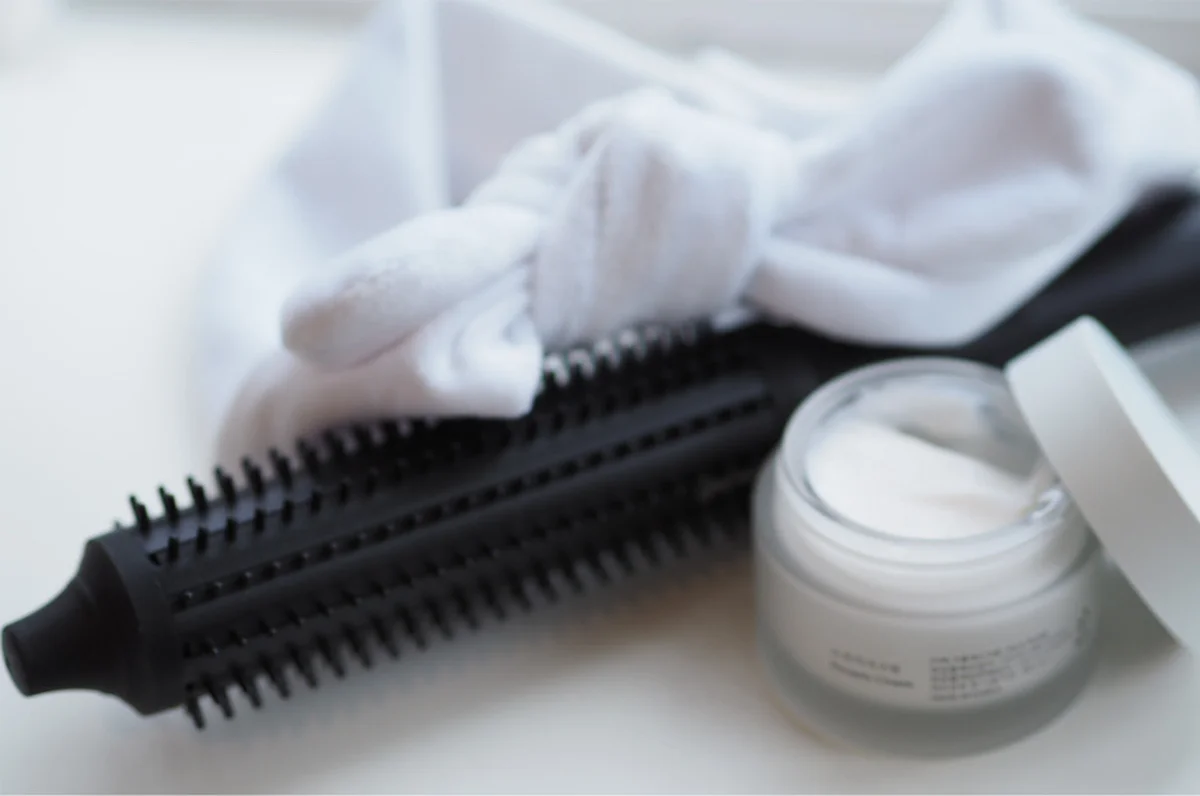
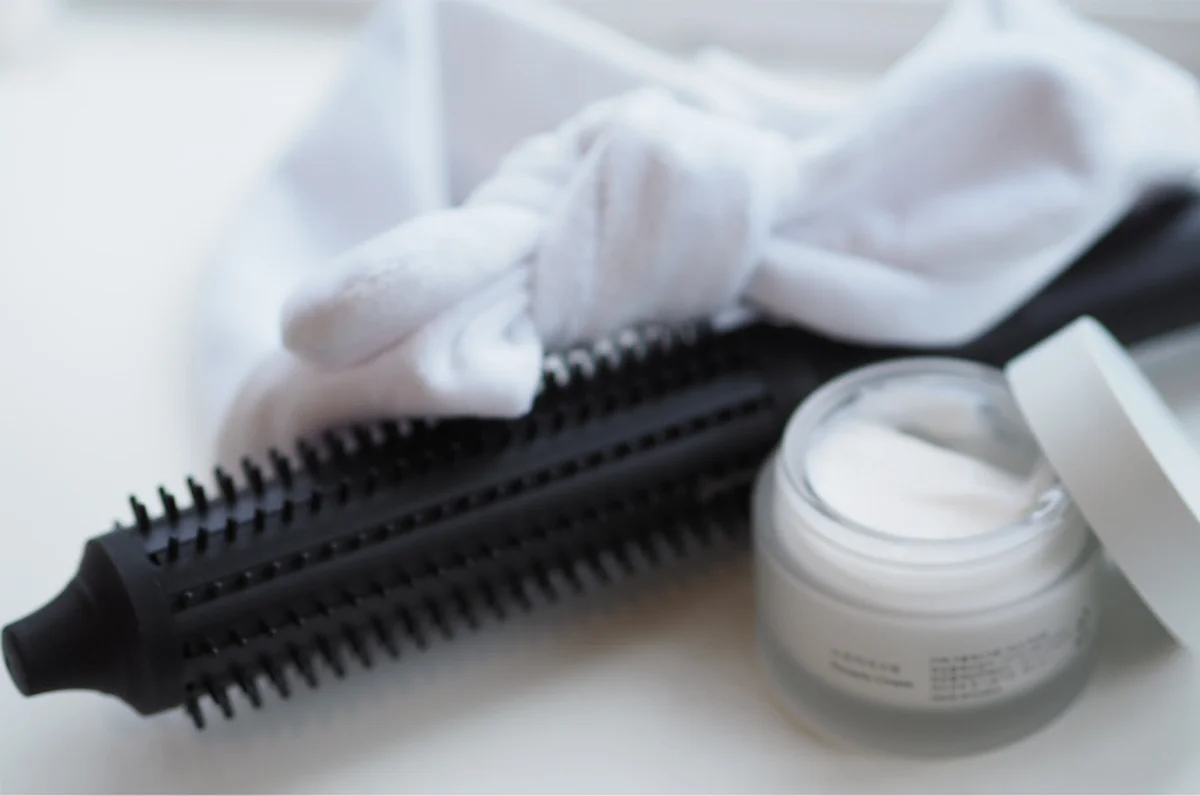
Full, lifted hair reads as intentional without looking like you spent three hours in a salon chair. I got great results with the GHD Hot Brush — it styles and volumizes in one pass, which is exactly what you want when your morning schedule runs on fifteen-minute blocks.
Start with a clarifying shampoo to get that clean-strand shine. Then apply a light conditioning mask just to the ends before rinsing. Blow-dry until almost dry, then run the hot brush through to build body and soft wave. Practice at least once beforehand — my first pass was decent but the second one looked like it belonged in a magazine.
Finish with a holding hairspray, especially if you have fine hair. The dance floor is where good hair becomes bad hair without it.
The outfit: comfort is the real glamour
It is tempting to go all out — the sparkly dress, the sharp heel, the statement jewelry that catches every flashbulb. But what you actually need first and foremost is a dress or ensemble you can move in.
New shoes on wedding day is a mistake I have made and will not make again. Break them in at home for a week. If you don’t wear heels regularly, don’t pretend to start now.
Color-wise, go whatever direction feels right — pastel, bright, dark — just avoid white unless the bride explicitly said otherwise. When invitations call for a color theme, follow it. Your job is to complement the photos, not compete with them.
Fabric matters more than you think. Skip silk and linen if you can; they crease during transport and look rumpled by cocktail hour. Choose something wrinkle-resistant so you arrive looking as put-together as when you left home. And pick a dress that gives you room to breathe — you can always add layers, but you cannot take warmth away.
What goes in the bag
Triple-check these before you leave for the venue:
Phone on silent (not just vibrate)
Tissues
Lipstick for touch-ups
Gel toe strips — because blisters are real and they ruin dance floors fast
FAQ
Should I wear my best dress or something comfortable?
Your best dress only works if it’s also comfortable. A beautiful outfit you spend the whole day adjusting looks less polished than a simpler one that lets you focus on the ceremony and your guests.
What if the wedding is outdoors in summer heat?
Skip heavy fabrics like velvet or brocade. Go for breathable cotton blends, chiffon, or crepe. A light shawl covers bare shoulders at the ceremony without trapping heat during the reception.
Can I wear bold makeup to a daytime wedding?
Yes — but keep one element understated. If you’re wearing a strong lip, ease up on the eyes. Daylight is unforgiving, and softer overall looks photograph better than heavily contoured ones.
A note from Ava: I wore a navy wrap dress to my best friend’s backyard wedding last June — nothing fancy, just comfortable and wrinkle-free. By 10 p.m., everyone else was peeling off layers while I was still dancing. Sometimes the simplest choice wins.
I was skeptical when another cream bronzer landed on my desk. I’ve had enough of those that slide off my face by noon or turn me into a highlighter disaster. But the Summer Fridays Bronzer Butter Balm kept coming up everywhere, so I figured — why not give it three solid weeks?
Here is what happened.
The product
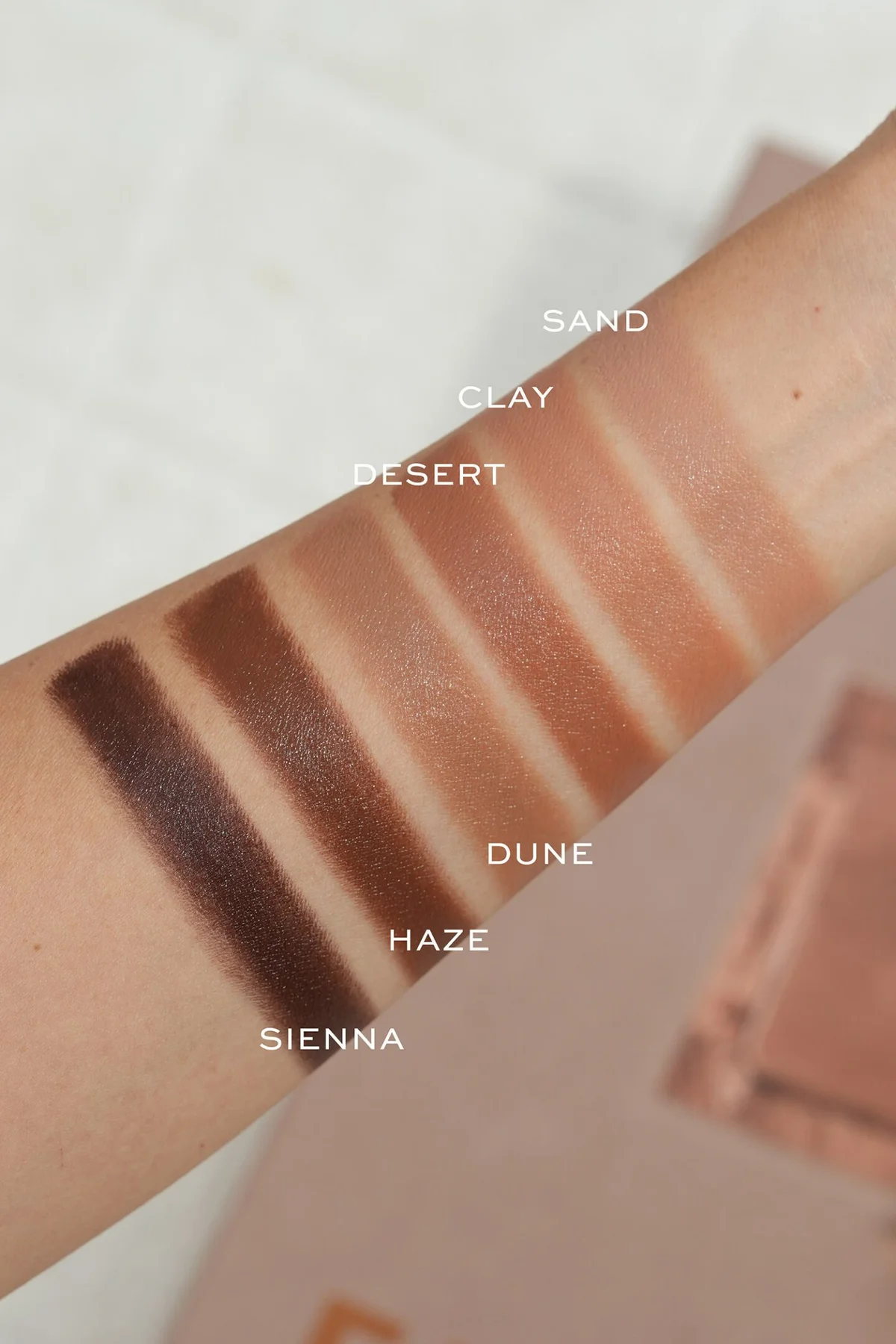
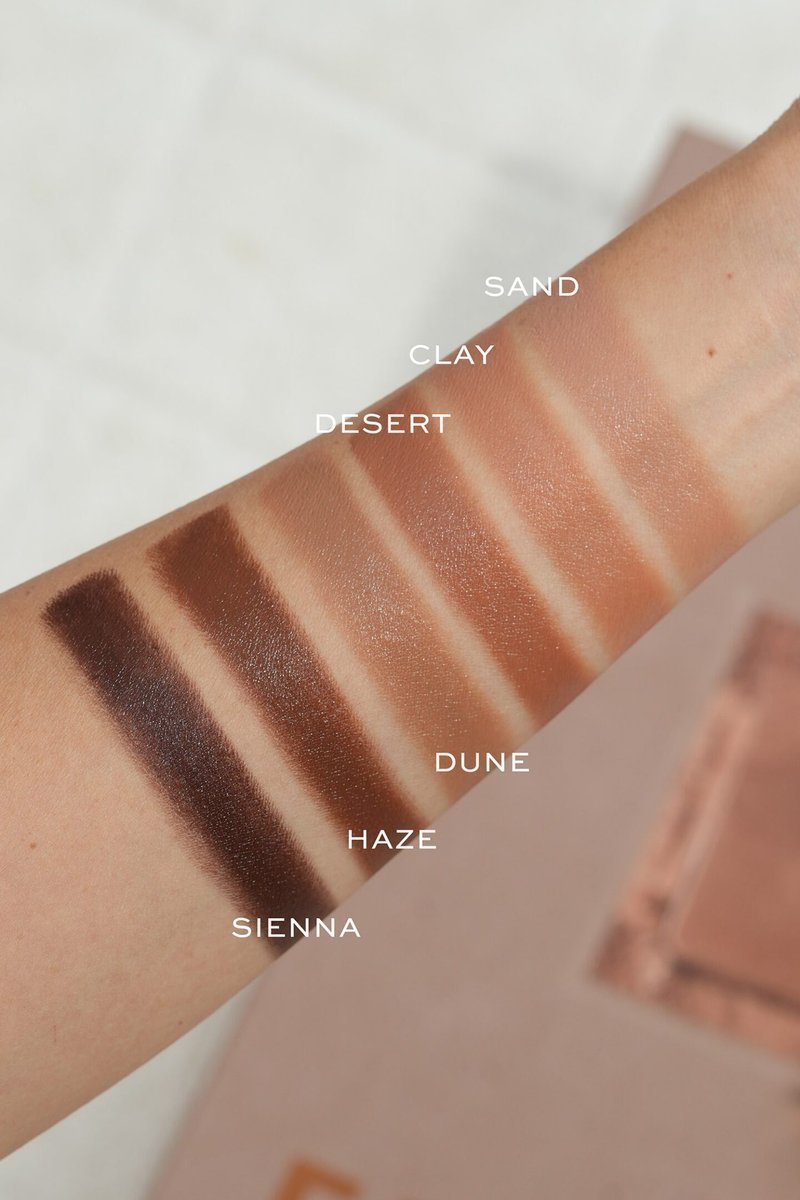
The Bronzer Butter Balm from Summer Fridays comes in six shades at $27.20 each. They also released a matching angled bronzer brush for $28, which I used throughout testing. Both are available now at Sephora, Revolve, and the Summer Fridays website.
My skin type and why it matters
I have combo-oily skin that gets extra oily when the weather turns warm. Cream bronzers can be hit or miss for me — too emollient and I look like a wet windshield, not dewy enough and they patch up into nothing by 3 p.m.
The Butter Balm actually sits in a sweet spot. It gives a real glow without going full gloss bomb on my T-zone. If you have liked the Sarah Creal Just Like Paradise bronzers, these will feel familiar — very similar texture and pigment load, with the Sarah Creal formula pulling just a hair more dewy.
Shade breakdown
I tested all six shades. Here is how they landed for me:
Clay — my favorite. A warm golden medium that reads natural on my skin tone. This is the one I reach for most days.
Desert — a close second. Slightly redder undertone than Clay, which works well if you want a bronzer that doubles as a very soft blush.
Dune — the lightest shade, more neutral-cool toned. I kept seeing readers drawn to this one, and I get it: if bronzers usually look too heavy or muddy on you, Dune might actually work because it is genuinely light enough in color without looking ashy.
The remaining three shades skew deeper, which I did not have a chance to wear-test but swatched for comparison.
One note: I prefer my bronzers on the warmer side. Cool and neutral tones tend to pull gray on me, so if that is your experience too, lean toward Clay or Desert unless you have very cool skin.
The brush situation
I used the Summer Fridays angled bronzer brush ($28) for most of my application. It is well-made — minimalist design, dense bristles, soft as anything on my face. The product blends to a smooth finish with no streaks.
For comparison, other brushes that gave me similarly clean results: the Hourglass Ambient Soft Glow Foundation Brush, Hourglass Brush No. 15, Fenty 195, and Laura Mercier Cheek Brush. Any of these will work if you already own one and do not feel like adding another tool.
Longevity test
I did not do an extended outdoor wear test (the Miami heat is brutal right now), but indoors, the lasting power was solid. After three to four hours, it does get a bit dewier as the cream melts into my skin — that is normal for the formula type. But it never broke up or faded to nothing. I’d call it decent-to-good wear time.
Pros and cons
The good:
Dewy finish without being glossy or slippery
Blends easily with a brush or fingers
Shade range is thoughtful, especially for lighter skin tones (Dune)
Does not oxidize into orange on my skin
The not-so-good:
If you have oily skin or need all-day wear, a cream formula will always require touch-ups compared to powder
$27 for the balm alone does not include the brush — at $55 total, it is more of a splurge than a budget find
Budget alternatives
If you want something with longer wear and a satin finish instead of dewy, the Dior Forever Skin Bronzing Balm Stick or Westman Atelier Sun Tone Crème Duos are both worth looking at. They run pricier than Summer Fridays but hold up better under heat and humidity.
On a tighter budget? I have not found an exact dupe yet, but drugstore cream bronzers from Milani or e.l.f. give a similar melt-into-skin feel for roughly half the price — just expect less refined shade ranges.
The verdict
I would rate the Summer Fridays Bronzer Butter Balm at 7.5 out of 10. It is not a game-changer, but it is one of the better cream bronzers I have worn regularly this season. If you love a dewy finish and want something that blends effortlessly in your morning rush, Clay or Desert will work beautifully on medium skin tones.
If longevity is your priority — or if you tend to get oily by midday — look at the Dior or Westman Atelier options instead.
Is the Summer Fridays Bronzer Butter Balm good for oily skin?
It can work, but expect to set it with a light powder if you get very shiny. The formula is dewy by design, so it will not control oil the way a matte bronzer would.
Which shade should I choose?
If you have fair to light skin and struggle with bronzers looking too dark, try Dune. Medium skin tones will likely prefer Clay (golden) or Desert (reddish-warm). The deeper shades work best on tan to deep complexions.
Do I need the matching brush?
No. The $28 angled brush is nice — soft and dense — but any good cheek or foundation brush will blend this product just fine. Skip it if you are on a budget.
A note from Ava: I keep coming back to Clay most mornings because it takes me 20 seconds to swipe it on and look like I actually planned my face that day. Some days, that is enough.
Last October, my kid came home convinced the neighbor’s cat was a mummy. The trail of toilet paper was, we agreed, intentional. Since then I keep a drawer of Halloween one-liners, and mummy jokes are the ones that always land the giggle, even from the kids who claim to be past them.
All of these are clean and kid-safe, so you can read them at a class party without blinking. I’ve grouped them by type below, plus a batch of card-sized jokes you can print and tuck into lunchboxes.
Funny Mummy Jokes
These are my classic favorites. Short, punchy, easy to remember.
Why did the mummy go to the doctor? He was feeling a little crummy.
What kind of candy do mummies like best? Anything with a wrapper.
Why did the mummy bring tape to the Halloween party? Just in case he fell apart.
Why did the mummy become a detective? He was great at uncovering mysteries.
Why did the mummy get good grades? He was always wrapped up in his homework.
What do you call a mummy who sings? A wrap artist.
What does a mummy order at a restaurant? A chicken wrap.
Why did the mummy love Halloween? He felt right at home.
Why did the mummy bring a ladder to the haunted house? He wanted to reach the top tomb.
Why was the mummy so neat? He liked everything bundled up nicely.
What did the mummy say to the skeleton? You crack me up!
Why did the mummy need a new outfit? His old one was falling apart.
Silly Mummy Puns and Riddles
Okay, yes, mummies and wraps are basically a power couple. These are the pun-heavy ones — I kept the full set, just reordered so they don’t all land the same way.
What do mummies say when they are excited? I’m all wrapped up in this!
Why was the mummy a great teacher? He knew how to keep the class under wraps.
What is a mummy’s favorite game? Truth or scare.
What kind of car does a mummy drive? A tomb-mobile.
Why did the mummy like the library? It was full of spine-tingling stories.
Why did the mummy bring snacks to the haunted house? He didn’t want to get hangry in the hallway.
What did the mummy say when he lost his bandages? I’m coming undone!
Why did the mummy like rainy days? He could stay inside and watch scary movies.
What do mummies put in their hair? Scare spray.
Why did the mummy go to art class? He wanted to learn how to draw a scare.
Why did the mummy love the dance party? He had great wrap moves.
What did the mummy say when he saw a ghost? You look boo-tiful!
Mummy Knock Knocks
Best played in the back seat on a car ride home from school. Warning: the first one will not fail.
Knock, knock. Who’s there? Mummy. Mummy who? Mummy told me to say Happy Halloween!
Knock, knock. Who’s there? Boo. Boo who? Don’t cry, it’s just a mummy joke!
Knock, knock. Who’s there? Wrap. Wrap who? Wrap on the door and let me in!
Knock, knock. Who’s there? Candy. Candy who? Candy mummy have one more treat?
Free Printable Mummy Joke Cards
Here are the jokes I actually print and tuck into lunchboxes, classroom Halloween treats, party favors, and trick-or-treat bags. They’re card-sized on purpose so a kid can rip one off without your supervision.
Why don’t mummies take vacations? They are afraid to unwind.
What kind of music do mummies like? Wrap music.
Why was the mummy so good at keeping secrets? He kept everything under wraps.
Why did the mummy stay home from school? He had a coffin fit.
What did the mummy say when Halloween was over? That’s a wrap!
Why did the mummy open a bakery? He made great roll-ups.
Why did the mummy take a nap? He was dead tired.
What do mummies eat for lunch? Wraps.
Why did the mummy get invited to every party? He was a real wrap star.
What is a mummy’s favorite subject? History, of corpse.
What did the mummy say to the pumpkin? You look gourd-geous.
Why was the mummy late? He got wrapped up in something.
Grab the free printable mummy joke cards (PDF), print and cut, then share them for lunchbox notes, Halloween party fun, classroom laughs, or a silly surprise during October.
More Where That Came From
If your inbox is full of Halloween crafts, lunchbox notes, and crafty mummy treat holders, you’re in the right place. These mummy jokes have carried my buddy group all season long, and I’m not the only one hiding them in party favors.
FAQ
Are these jokes really safe for little kids?
Yes, all of them are clean and mild, so they hold up in a classroom, a birthday party, or a trick-or-treat bag without wincing.
Can I reuse the joke cards for other holidays?
They’re mummy-themed, so they shine in October, but the riddle format works all year if you just swap the wrap references.
Do these work as party favors?
Print them on colored paper, fold in half, and put in a small envelope with a piece of candy. It’s a quick, cheap-to-make favor that kids actually keep.
a note from Ava: I’ve printed these joke cards twice now, and I keep getting asked where they came from. That’s the whole point, I think. Simple, cheap, and they actually work.
I got an early look at Refy’s cheek collection about a month ago, and I’ll be honest — I wasn’t expecting to care this much about bronzer again.
It’s been years since a new formula made me put down my go-to. The one from Chanel did the job for so long, and when it got discontinued, nothing really filled that gap. But Refy just dropped their Water Bronzer ($30) and Water Blush ($24), both in a cushion compact format inspired by K-beauty tech, and they feel different enough that I actually wanted to write about them.
They also launched the Duo Brush 2.0 for Liquid Blush and Bronzer ($26) alongside these. I’ll circle back to it.
The Cushion Format
These are water-infused color cushions suspended in a sponge, made in South Korea. That means you press the brush into the compact instead of pumping product from a bottle or scooping cream from a pot.
In practice, it makes application easier and mess-free. You get sheer but buildable color with a finish that reads like skin — not makeup sitting on top of skin. I liked that immediately.
Water Bronzer: Five Shades, Three That Worked for Me
I need to say this upfront: bronzer is one of those categories where I get asked for recommendations constantly, and until recently, there just haven’t been many that stood out. This year changed that.
Dior brought exceptional wear time. Westman Atelier delivered the best dry-down I’ve seen in a cream formula. And now Refy has earned a spot on that short list too.
The Water Bronzer comes in five shades:
Bay — light warm golden bronze
Cove — cool neutral bronze
Sol — reddish bronze
Palm — deep bronze
Selene — deepest bronze
I can pull off the lightest three shades. My favorite ended up being Cove, even though it leans neutral-cool on me. Bay is a perfect golden bronze if that’s what you’re after, and Sol gives this slightly sunburnt glow that I love for summer.
Water Blush: Sheer on the Sponge, Vibrant on You
The blush shades surprised me. In the compact, they look intensely pigmented — almost too much, honestly. But once you press them onto your cheek, they apply way sheerer than expected.
Three shades are available:
Apricot — light peach
Lychee — vibrant healthy pink
Acai — perfect berry
They layer from a subtle wash to something sculpted and vibrant. The color melts into the skin rather than sitting on it, which means you have room to experiment without worrying about overdoing it.
The Duo Brush 02
Refy’s Duo Brush 02 makes application a breeze — dense enough to pick up product from the cushion, soft enough to blend seamlessly. That said, you can use anything from your current brush stash. Just keep it clean so you don’t contaminate the sponge with other colors.
Honest Pros and Cons
What works:
The cushion format is genuinely convenient — no pumping, no pots to scoop from
Buildable sheer coverage means zero risk of looking overdone on a weekday morning rush
The finish looks like skin, not product. That’s hard to pull off with cream formulas.
Bronzer shades cover light to deep skin tones well
Where it falls short:
Only three blush shades — I hope they expand the range soon
The sheer formula means if you want bold color, you need to layer multiple times
The Duo Brush at $26 is nice but not essential; your existing brushes work fine
Budget Alternative
If the cushion format isn’t your thing and you’re looking for something more affordable, the Fenty Beauty Cheeks Out Freestyle Cream Blush ($21) gives a similar melt-into-skin feel at a lower price point. For bronzer, the Westman Atelier Ecological Bronzer is pricier but has that same effortless finish if budget isn’t a concern.
Verdict
I rate this 8.5 out of 10. The formula is fresh and genuinely different from what’s on the market right now. If you like cream products, want something easy to control in the morning, and don’t mind building color gradually, these are worth trying.
You can find the Refy Water collection at Sephora or directly at Refy Beauty.
The water bronzer and blush were gifted for review. All opinions are my own.
A Note from Ava
I’ve been wearing the Cove bronzer almost every day since I started testing, paired with Lychee on days when I want a pop of color and Apricot when I’m going for something that reads as ‘I woke up looking like this.’ Both work. That’s what matters to me.
Every year, the same panic. A little card lands in your inbox, the family group chat gets loud, and you’re standing in a bed linen aisle thinking I could’ve bought the one good thing a month ago.
Last June, I fixed that. My strategy: never start with ‘gift for dad,’ start with the person. The uncle who unpacks his cooler before you do is not the same buyer as the stepdad who texts you at night to make sure you got home. Different dads, different gifts.
So I built a map by personality instead of a list, and it made the whole thing easier. A few thoughts on price: the Oka slides run $49.95, the whole Kalaya spice set is $75, and the best gift I give my own dad is still the $12 card deck. Some links below are affiliate links — if you buy through them I may earn a small commission, at no extra cost to you.
For the dad who runs on his feet
If the man in your life is on his feet all day — jobs with kneeling included, runs, Saturday projects — this is where I’d spend first.
Oka Recovery Flip Flops and Slides — $49.95
Summer is flip flop season, but Oka’s recovery slides are the ones I’d gift for the year, not just the weather. Deep heel cups, arch support, real shock-absorbing cushioning — built for post-workout recovery. They’re waterproof, slip-resistant, machine-washable, and made from algae + seashells, 100% recyclable. Oka recovery slides come in Marble, Neutrals, and Girly Pop, plus a Red, White and Blue Collection. From June 7–24, code DAD25 takes 25% off, and DADANDME gets you BOGO 50% off.
The Spa Dr. 4-step system ($82.99) is the small companion piece — numbered bottles so the routine stays simple, targeted at the dad who wants to look less tired without a complicated shelf.
Ibreo Heated Foot Massager — $129.99
Targeted relief for the feet that carried the rest of him. 4-in-1 tech: deep kneading, air compression, vibration, heat. Two heat levels, shiatsu balls for pressure points, foot sleeves that fit up to a size 14, and a remote so he moves everything without bending down. All iBreo products run 15% off from June 12–21.
QuietOn 4 Earbuds
For the guy whose schedule has no off switch. QuietOn 4 are the world’s smallest active noise-cancelling earbuds, designed specifically for sleep — no transmitters, no receivers, just something small enough to sit fully in the ear all night, even for side sleepers. If his sleep is a battle, this is my pick.
Kuru Triple Max Ion — $189
The first running shoe actually built for foot pain relief. The patented KURUSole heel-cupping design protects the heel’s natural fat pad, KURUCloud foam takes the landing, and the upgraded KURUCloud+ version gives you rebound. I’d buy this for any dad who’s been told his plantar fasciitis is curbing the runs.
Coalatree Trailhead Pants — $99
Hard to find trail pants that actually work. 100% durable ripstop nylon, 4-way stretch, water resistant, stain proof, breathable. They pack into the front pocket. I’d size up for muscular legs — the Regular fit is far more comfortable there than the Slim.
For the dad who feeds people
Some dads don’t want to be entertained. They want to host.
Backyard BBQs, fire-pit nights, summer parties — this gets pulled out all summer. Built-in cooling means you don’t pre-freeze a bowl for 24 hours. Pour the mix in, you’re about 30 minutes from soft serve or fruit sorbet. There’s a ‘Spiked’ button for boozy slushies — Margaritas, Frosé — and setting up a kid-free station is half the ritual. I’d pair this with the fire pit, not the other way around.
La Boîte Spices, Nok Suntaranon Kalaya Spice Set — $75
Collaboration with James Beard Award-winning chef Nok Suntaranon of Kalaya in Philadelphia. Five blends built from Southern Thai cooking — the Kalaya curry powder for long-simmered stews, Kreung Ra that hits hard, bright Laab, and Massaman. If your dad is actually a cook, this is the set that teaches him to cook differently.
El Guapo Classic Old Fashioned Kit — $64.99
Everything for 34 perfectly balanced Old Fashioneds: Single Origin Demerara Syrup, Classic Orange Bitters, dried orange halves, and a recipe card with riffs for full-strength, low-ABV, and spirit-free. For the dad who likes a cocktail but is still figuring out the proportions, this is the whole lesson in one box.
Maui Nui Venison Stick Starter Pack — $39
Wild-harvested Axis deer, one of the most nutrient-dense red meats out there, ethically harvested to manage the invasive population on Maui. Three Original and three Peppered sticks in the starter pack. If he’s a protein person, start here. The Summer Sausage ($48) and the ‘Ohana Reserve Box ($313) round it out.
For the dad who is actually outdoors
Outdoorsy dads know exactly what they need. Give them the upgraded version.
Goodr Tidal G Sunglasses — $45
I’d get these for any dad who has lost sunglasses in a body of water more than once — and if he’s been on a river, a beach, or a boat, that’s you. Tidal Gs have the non-slip, no-bounce fit of every Goodr, UV400 protection, and they float. No buoyancy strap needed. For a dad who wears his sunglasses as a tool, this is the real one.
Surprisingly slim, holds more than it looks. The top zip compartment, external pocket, and magnetic front flap hold daily essentials plus a bottle, and the Origami-fold expansion opens up without bulk. I’d also buy this for the dad who thinks he’s ‘too casual’ for a proper bag — it works as a commuter, a day bag, and a travel thing.
Phoozy Apollo II Capsule — $42.99
For the dad whose phone is always in direct sun or dies on a cold trail. This is the thermal capsule that shields the phone from heat, cold, drops, and water — patented NASA materials, thermal layering, drop and float protection. If your dad’s phone is dying before the trailhead, this is the fix.
Outsiders The PM Can Cooler — $29.99
Triple-insulated stainless steel, holds 12 or 16-ounce cans, and the quick-reload top gasket lets you swap out empties and pop in something cold. Built-in bottle opener. For the dad who runs on cold drinks on long shifts, this is the quiet winner.
Sea Bags NFL Totes, from $75
Officially licensed NFL bags in his team’s colors, in a wide range of shapes and sizes. I’ve seen two of these through a summer of volleyball practice without a single torn seam. Durability is the whole brand. If your dad wears his team, this is the kind of thing that gets used every single weekend.
Small, sentimental, under $50
The most memorable gifts I’ve ever received are all under $50. This is where the ‘I saw this and thought of you’ energy lives.
Brass Monkey ‘Things My Kid Said’ Tiny Diary — $8
Just 2.75″ x 3.75″ with 112 gilded-edge pages. Write the ridiculous, weird, and confusing things your kid blurts out. Read them back at Thanksgiving when they’re old enough. No other gift starts a family dinner like this one.
Brass Monkey ‘A Trillion Cliches Every Dad Will Do’ Journal — $15 ($9.31 on Amazon)
A prompted journal that tells the dad he’s finally got permission to do all the slightly embarrassing things he’s always wanted to do. I’d fill it out before giving it — that’s the whole point. I’d also buy one for his mom to fill out for him. That’s the real gift.
Emergency Dad Jokes Card Deck — $12
A hundred ready-to-roll jokes, each with space on the back for a note. For the dad who performs at reunions, graduations, and family barbecues. The groans are the point.
Lucky Jack 9-in-1 Builder’s Pen Multi-Tool — $28
A precision pen with stylus, LED light, bottle opener, and a full screwdriver set for the projects around the house. If your dad is always tinkering, this lives in his pocket. Lucky Jack also makes credit-card multi-tools — the Grizzly Card, Wild Card, and Emergency Sew It Up Card — at $22 each, perfect for an everyday carry dad.
Mudita Harmony 2 Sunrise Alarm Clock
The price runs high, but this is the one I’d buy before a phone upgrade: gentle nature sounds and a sunrise light replace the jarring alarm with a natural wake-up. E-Ink display, 45-day battery, customizable audio for the wind-down. A thoughtful entry point into ‘let’s fix your sleep’ that doesn’t feel like therapy. I’d get this before I’d get a phone.
Fold-N-Go Travel Dog Bed, from $179.95
If the man in your life has a dog who comes everywhere with him — road trips, vet visits, weekend hikes — this folds flat for the car and unfolds into a portable bed at the destination. Durable microsuede that zips off for the wash, and the tri-fold can double as a doorway barrier. The kind of gift that says, I pay attention to your dog.
Big-ticket, for the special man
CONNEQT Pulse — $289
At-home health monitoring that goes beyond the drugstore cuff. FDA-cleared, it measures central aortic pressure, arterial stiffness, and cardiac efficiency — three things a regular cuff can’t. A 2-minute measurement produces a 12-page cardiology report with month-over-month trends. If your dad has been told to watch his heart and doesn’t know how, this is the tool that actually speaks to numbers.
Mudita Radiant Automatic Watch — $699
Swiss-made, logo-free, automatic. Slim 10mm profile, stainless steel, Super-LumiNova BGW9. For the dad who’s been thinking about a proper mechanical watch without wanting a smartwatch pinging at dinner. This is the kind of thing that gets handed down. Buy it once and forget about it for a decade.
a note from Ava
I’ll be honest — I’m not a natural gift-giver. My first instinct is always a card and a single candy. This guide fixed me. If you know your guy well, the gift writes itself — and the $49.95 slides or the $12 card deck are more likely to land than the $699 watch.
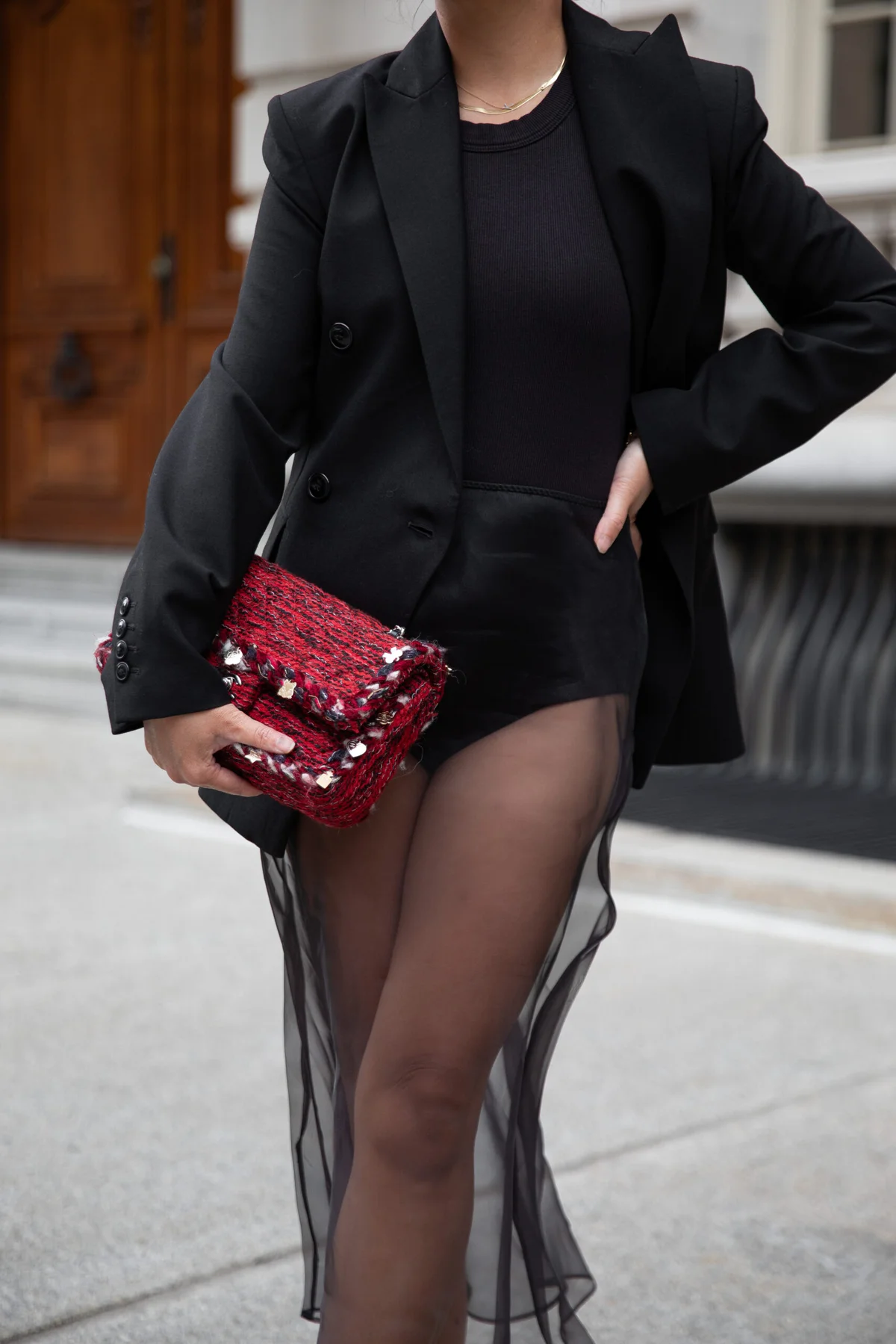
I almost skipped that sheer midi skirt the first time I saw it. Sheer skirts sit right in that zone between interesting and is she wearing pants? But then I tried it on, looked in the mirror, and realized the trick was never about modesty — it was about balance.
The formula is simple: let one piece be the statement. Everything else does quiet work.
Look 1: Structure on top, softness below
I paired the skirt with a double-breasted blazer and a high-neck tank. The blazer is the kind that holds its shape without fighting you — structured shoulders, clean lines, nothing fussy. It reads as intentional, not stiff.
Underneath, the skirt falls just below the knee with enough transparency to keep things interesting but not so much that you feel like you need a game plan every time you sit down. The high-neck tank keeps the neckline covered without adding bulk. A splash of color on top ties it together.
The blazer and skirt were both on sale — roughly 30% off with code EXTRA30. If you see a tailored blazer at that price, grab it. You’ll reach for it more than you think.
Look 2: The same blazer, totally casual
A good structured blazer should not live only in dressed-up territory. I threw this one on over slim straight-leg jeans and heeled Mary Janes, and it looked like a completely different outfit.
The jeans are the kind with real stretch that does not sag out after three hours. The leg opening sits somewhere between skinny and wide — think of it as the middle child that inherited the best traits from both. They run big, so I recommend sizing down one or two sizes. Normally a 26 in denim, I went with petite 24 here.
The heeled Mary Janes fit true to size (TTS for short). They add just enough height without the pain of stilettos — which is exactly what you want when you’re trying to look pulled together on a weekday morning and also actually walk somewhere.
A quick note on sizing
For reference, I’m 5 ft tall (about 152 cm) at 105 lbs (48 kg), wearing an XS in the blazer with no alterations needed. If you’re between sizes or new to tailored pieces, check the shoulder seam — if it sits flush where your actual shoulder ends, the rest usually follows.
Frequently asked questions
Do sheer skirts work for everyday wear?
Yes. The key is pairing them with something structured on top so the overall look stays grounded. A blazer, a fitted turtleneck, or even a chunky knit sweater all do the trick.
How do I know if a tailored blazer fits without alterations?
Check three things: shoulder seams should hit at your natural shoulder line, sleeves should end around your wrist bone (or slightly above), and the hem should cover your hip button without dragging. If those three check out, you’re probably good.
Can I wear a double-breasted blazer casually?
Absolutely. Unbutton it over jeans and a simple tee, or layer it open over a dress. Double-breasted does not mean formal — it just means the jacket has more visual weight, which actually helps it look deliberate with casual pieces.
A note from Ava: There’s something about trying on something that scares you slightly and then realizing it was never scary at all. That skirt? It just needed the right partner. Same with most clothes — maybe same with other things too.